Theory Toolkit
Theory gives you precise instruments for taking media apart. Each entry below explains the idea, shows how to use it in an essay, and gives one example. Aim to know five or six of these deeply rather than all fifteen superficially.
The cardinal sin: name-dropping. "As Stuart Hall said, audiences decode texts" earns nothing. Theory only scores when it does work in your argument — when it explains something about your example that would otherwise stay invisible, or when you test it and find its limits. Every entry below ends with a specific warning. Take them seriously.

Stuart Hall — representation & encoding/decoding
The idea: Meaning isn't transmitted; it's constructed twice. Producers encode meaning into texts (shaped by their institutions and ideologies), and audiences decode it through their own social positions — accepting the preferred reading, negotiating it, or reading oppositionally. Hall also argued representation doesn't reflect reality but actively constructs it.
In an essay: Use Hall to escape "the media makes people think X". Show what reading a text invites (and how — through casting, framing, mode of address), then show how a real audience decoded it differently, and explain why their social position produced that reading.
Example: A police reality series encodes a preferred reading (police as protectors); audiences with different experiences of policing — including many Māori viewers, given documented over-policing — may decode the same footage oppositionally, as surveillance of their communities.
Don't: just label readings ("some accept, some negotiate, some oppose"). The mark is in explaining why a specific audience produces a specific reading.
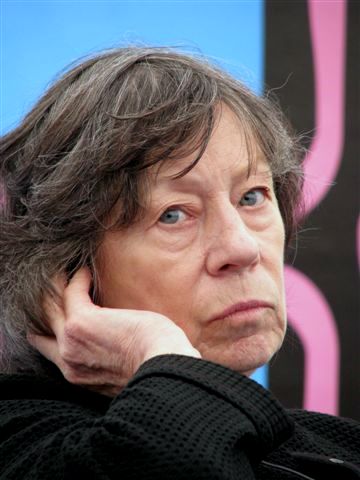
Laura Mulvey — the male gaze
The idea: Classic Hollywood cinema is built around a masculine viewing position: the camera looks at women the way a heterosexual male spectator is assumed to — women as spectacle ("to-be-looked-at-ness"), men as agents who drive the story. The gaze is in the camera work itself, not just the content.
In an essay: Apply it to specific shots and edits, not characters in general. Stronger still: use it historically — show a text constructed around the male gaze, then a contemporary text that refuses or reverses it, and evaluate whether the gaze has genuinely shifted or just been rebranded.
Example: Compare how an action franchise framed its female leads in the 2000s (slow pans, fragmented body shots) with a recent film consciously shot to avoid those conventions — then ask whether the marketing still sells the old gaze.
Don't: say "this has the male gaze" as a verdict. Show the gaze operating in concrete formal choices — framing, editing, focus — or don't invoke it.
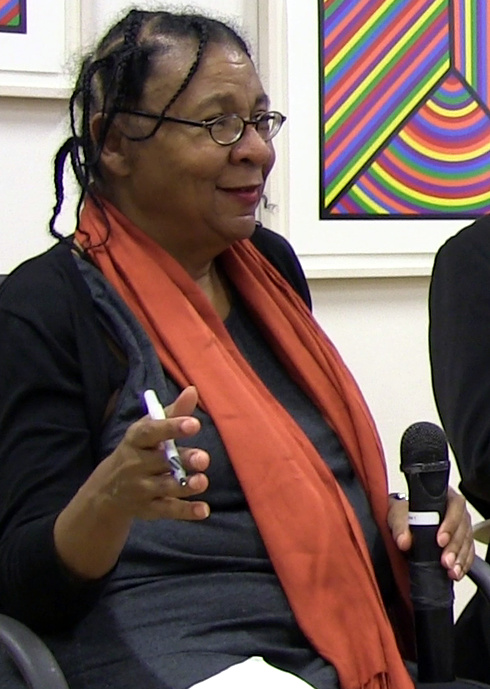
bell hooks — the oppositional gaze & intersectional critique
The idea: hooks pointed out that Mulvey's spectator was implicitly white. Black female viewers, long excluded or demeaned by mainstream images, developed an oppositional gaze — a critical, resistant way of looking that interrogates rather than absorbs. More broadly, hooks insisted that race, gender, and class oppression intersect and must be analysed together.
In an essay: Use hooks to complicate any single-axis analysis. A text can progress on gender while regressing on race; representation must be read intersectionally. Also use the oppositional gaze to give audiences critical agency — spectatorship as resistance, not just consumption.
Example: Analyses of how wāhine Māori are represented on NZ screens often need hooks: gender analysis alone misses the colonial layer, and race analysis alone misses the gendered one. Or apply the oppositional gaze to fan communities critically re-reading a franchise's handling of its characters of colour.
Don't: cite hooks as a diversity checkbox. Her work is a method — looking from the position of the excluded viewer — not a slogan.
David Gauntlett — identity and media
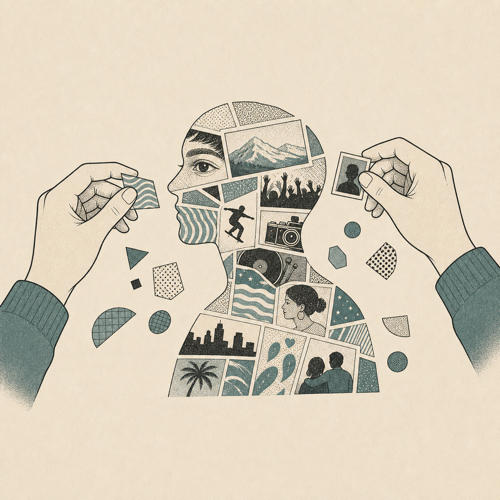
The idea: Audiences use media as a resource for constructing identity. Rather than imposing fixed role models, contemporary media offers a diverse, contradictory toolkit of ideas about how to live, which people actively select from and remix. Gauntlett's later work celebrates everyday creativity — making things (including media) as a way of making identity and connection.
In an essay: Use Gauntlett against media-effects pessimism: where a cultivation or effects argument sees audiences shaped by media, Gauntlett sees them shopping in it. Then evaluate: does the algorithmic feed still offer a genuinely diverse identity toolkit, or has personalisation narrowed it?
Example: Young people assembling identity across platforms — an aesthetic from TikTok, politics from YouTube, belonging from a gaming community — none dictated by a single broadcaster, all curated by recommendation systems.
Don't: reduce Gauntlett to "media gives us role models". His point is the audience's active construction — if your essay doesn't show that activity, the citation is dead weight.
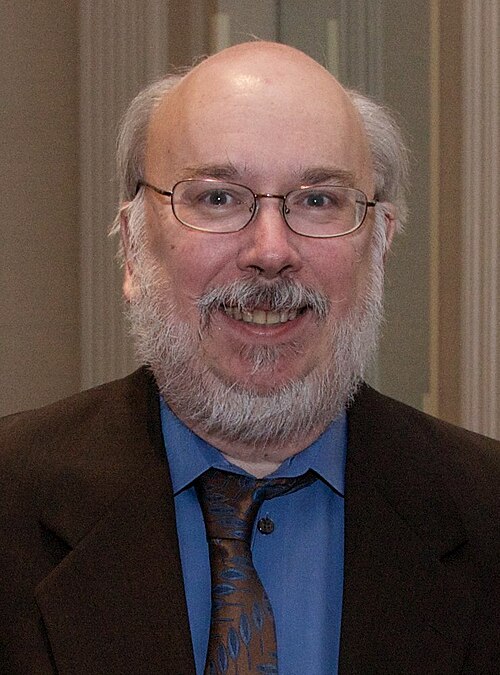
Henry Jenkins — convergence culture & participatory culture
The idea: Convergence isn't just devices merging; it's content flowing across platforms, industries cooperating, and audiences migrating and participating. In participatory culture, the line between consumer and producer blurs: fans create, remix, organise, and talk back — and media industries increasingly depend on that participation.
In an essay: Use Jenkins to analyse franchises and fandoms as systems: transmedia storytelling, fan labour, audience-driven publicity. Then push back: participation is real, but platforms monetise it — is this empowerment, free labour, or both? That tension is a ready-made evaluative paragraph.
Example: A major franchise that spans film, streaming, gaming, and social media, where fan theories and fan edits are part of the marketing cycle — and where fan campaigns have forced creative changes.
Don't: use "convergence" to mean "things are online now". Jenkins names a specific three-way shift — technological, industrial, and cultural. Show all three or specify which one you mean.
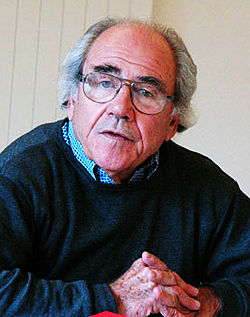
Jean Baudrillard — simulation & hyperreality
The idea: In media-saturated societies, signs and images stop referring to reality and start referring to each other. A simulacrum is a copy with no original; hyperreality is the condition where the simulation feels more real — more vivid, more coherent — than reality itself.
In an essay: Use Baudrillard for phenomena where the mediated version displaces the real: influencer lifestyles, reality TV "authenticity", AI-generated images, virtual celebrities, tourism shaped by Instagram. The strong move is precision — identify exactly what stage of removal from reality your example shows.
Example: A virtual influencer with millions of followers and brand deals: a persona with no person, generating real income, real parasocial attachment, and real cultural influence — a copy with no original.
Don't: wave "hyperreality" at anything fake. Baudrillard without a precise example reads as exactly what it is: a borrowed word doing no work.
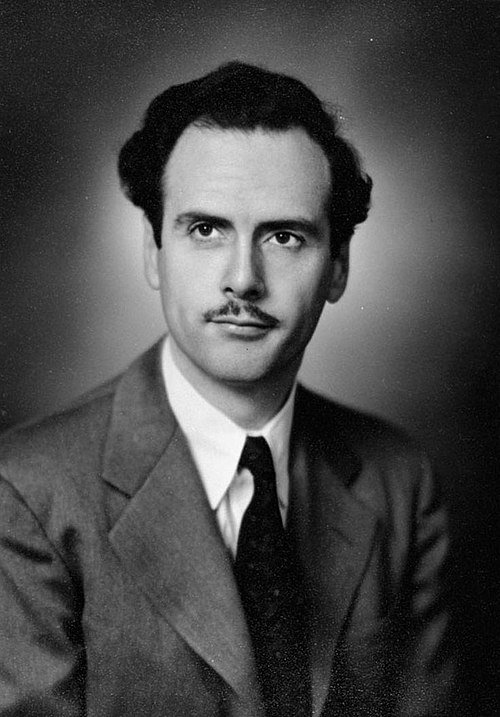
Marshall McLuhan — the medium is the message
The idea: The form of a medium reshapes human experience more profoundly than any content it carries. Print created linear, private thought; television created shared simultaneity; each new medium restructures how we perceive, relate, and organise — regardless of what's "on".
In an essay: Use McLuhan to shift a question from content to form. Don't ask what TikTok videos say; ask what the infinite, algorithmic, full-screen loop does to attention, time, and self-presentation. Pairs powerfully with industry analysis: form is engineered for business models.
Example: The same news story as a newspaper feature, a TV bulletin item, and a 40-second vertical video: the "content" is nominally identical, but each form produces different understanding, emotion, and retention — the medium, not the story, is doing the heavy lifting.
Don't: quote the slogan and move on. The phrase only earns marks when you demonstrate a specific formal property producing a specific effect.
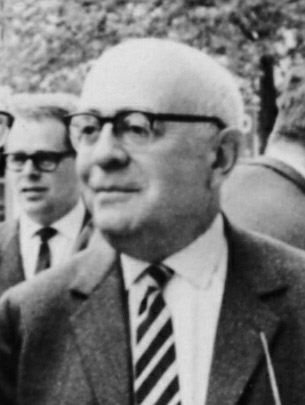
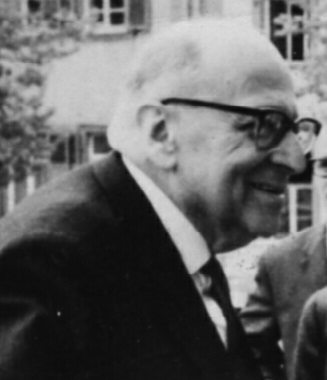
Theodor Adorno & Max Horkheimer — the culture industry
The idea: Writing in the 1940s, Adorno and Horkheimer argued that culture under capitalism becomes an industry: standardised products engineered for mass consumption, offering "pseudo-individualisation" (superficial variety masking sameness) and pacifying audiences rather than challenging them.
In an essay: Apply it to franchise logic, formatted TV, algorithmic playlists, and content engineered to formula — then test it. Does the culture industry thesis survive contact with fan creativity, indie breakouts, and oppositional readings? Using a 1940s theory and evaluating its fit today is exactly the kind of move Scholarship rewards.
Example: Streaming-era franchise output: sequels, prequels, spin-offs, and remakes engineered to minimise risk — pseudo-individualisation at industrial scale. Counter-case: a low-budget original that broke through anyway. What does each prove?
Don't: deploy "culture industry" as a sneer at popular culture. Adorno's claim is structural (about production logic), not snobbery — and it must be tested, not assumed.
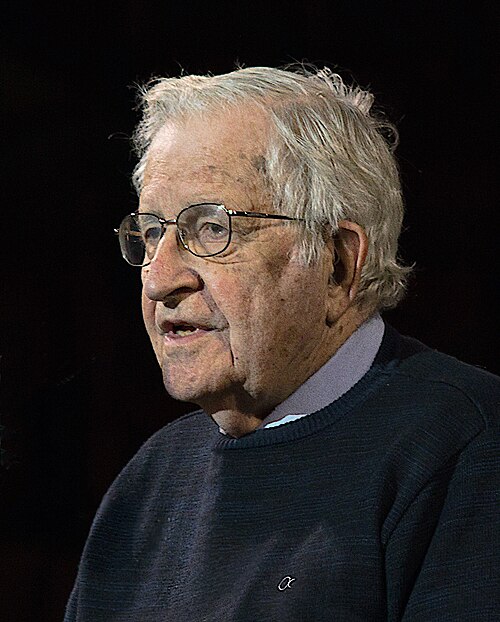
Noam Chomsky & Edward Herman — the propaganda model
The idea: News in market democracies passes through five "filters" before reaching the public: concentrated ownership, advertising funding, reliance on official sources, "flak" (organised pushback), and a unifying ideology (originally anti-communism; arguably now fear-based framings more broadly). The result: news that systematically serves elite interests without any conspiracy.
In an essay: Use the filters as an analytical checklist for a news case study — trace one story through ownership, advertising, and sourcing pressures. Then evaluate: how does the model hold up when "the media" includes platforms, independent journalists, and citizen footage? Which filters weakened, and which (advertising → engagement) simply mutated?
Example: Coverage of an industry that major outlets depend on for advertising revenue — compare the framing in ad-funded media with reporting from independent or publicly funded outlets covering the same story.
Don't: use "propaganda model" to mean "the news lies". The model's power is its mechanism — five specific filters. Name them, apply them, test them.
See the five filters as a diagram → · Current trust & news data →
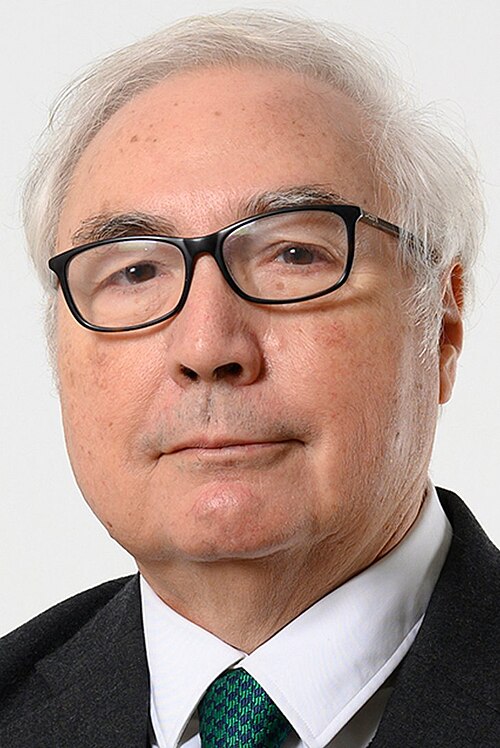
Manuel Castells — the network society
The idea: Power in the information age flows through networks — of communication, finance, and technology — rather than fixed hierarchies. Crucially, Castells argues the decisive form of power is now communication power: the ability to shape minds by programming networks (setting what they value) and switching between them (connecting media, political, and economic networks).
In an essay: Use Castells for questions about media power in the digital era: who programs the networks we communicate through? Apply to platform owners (programming what billions see), and to counter-power — movements using the same networks to challenge institutions (hashtag activism, decentralised protest coverage).
Example: A social movement (climate, Black Lives Matter, or an NZ protest movement) that bypassed legacy gatekeepers to set the agenda through networked media — and the counter-response from established power, on the same networks.
Don't: cite "network society" as a synonym for "the internet exists". Castells is about power within networks — your essay needs an actual power struggle to apply it to.
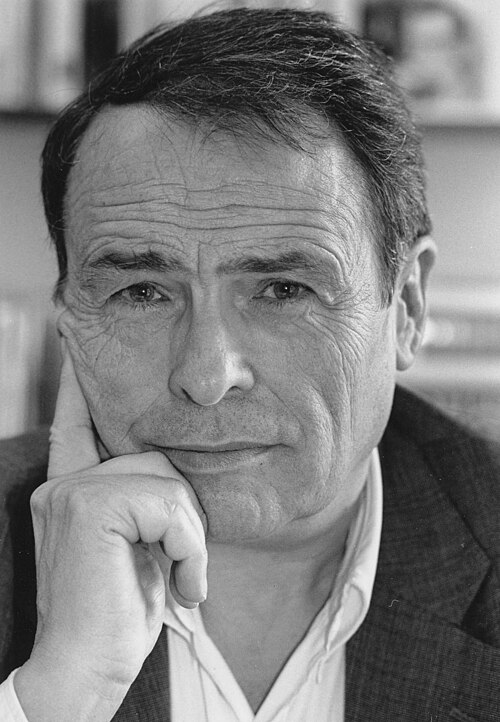
Pierre Bourdieu — cultural capital
The idea: Beyond money, people hold cultural capital — knowledge, taste, credentials, ways of speaking — that confers status and opens doors. Taste isn't natural or innocent: what counts as "quality culture" reflects the preferences of dominant classes, and cultural hierarchies quietly reproduce social ones.
In an essay: Use Bourdieu on questions of taste, prestige, and value: why "prestige TV" is prestigious, why some media is "guilty pleasure", how media literacy itself is unequally distributed. Sharp contemporary application: platform-era cultural capital — knowing the right memes, creators, and references — and who is excluded from it.
Example: The hierarchy between "cinema" and "content": why a film festival drama and a hugely popular reality series receive different critical respect despite the latter's larger cultural footprint — and whose tastes that hierarchy serves.
Don't: use "cultural capital" loosely to mean "popularity". It is specifically about status-conferring knowledge and the reproduction of class advantage.

Uses and gratifications theory
The idea: Flip the classic question. Not "what does media do to people?" but "what do people do with media?" Audiences actively select media to satisfy needs — typically information, personal identity, social connection, and entertainment/escape.
In an essay: Use it to explain media consumption patterns from the audience's side: why true crime thrives, why people doom-scroll, why parasocial podcast intimacy works. Then complicate it: algorithmic feeds blur "uses" — are you using TikTok, or being used? That tension upgrades a dated theory into a current argument.
Example: Gaming during lockdowns: connection (squads and Discord), identity (avatars, mains), escape, and achievement — needs met so precisely that gaming out-competed broadcast media for young audiences' time.
Don't: just list the four needs next to a text. The theory earns marks when it explains a pattern of real audience behaviour — and is tested against the algorithm problem.
Cultivation theory
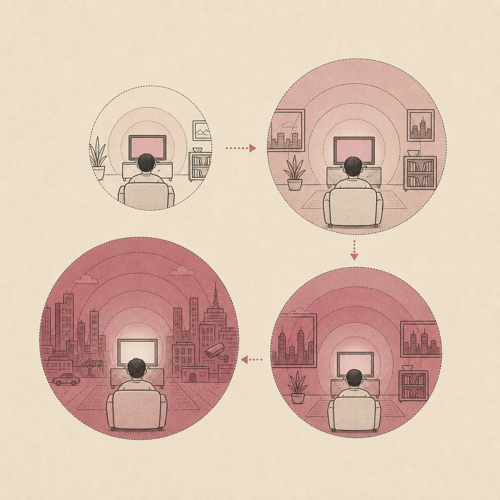
The idea: George Gerbner's research argued that heavy, long-term television viewing gradually shapes perceptions of reality: heavy viewers of violent TV overestimate real-world danger ("mean world syndrome"). Media's deepest effect is slow, cumulative, and about what we believe the world is like.
In an essay: Apply the logic to today's heaviest "viewing": feeds. Does an algorithmic diet of crime content, outrage, or beauty content cultivate distorted baselines (fear of crime, body image, political cynicism)? Evaluate carefully — cultivation research is contested, and personalised feeds cultivate different worlds per user, which both updates and complicates Gerbner.
Example: Perceptions of crime rising in public opinion polling even in periods when recorded crime falls — with heavy news/social media consumption a plausible cultivating factor.
Don't: present cultivation as proven mind-control. Its strength in an essay is as a hypothesis you weigh, with its evidence problems acknowledged.

Agenda-setting theory
The idea: Media may not tell us what to think, but it powerfully tells us what to think about. By choosing which issues get coverage, prominence, and repetition, news media sets the public agenda — what feels urgent, what feels marginal, what disappears.
In an essay: Pair agenda-setting with framing (how an issue is presented) for a two-step analysis of any news case study. The current question: who sets the agenda now — newsrooms, or trending algorithms and influencers? Comparing legacy and platform agenda-setting around one event makes an excellent paragraph.
Example: An issue that dominated NZ headlines for weeks versus a slow-moving crisis (e.g. a housing or environmental issue) receiving fractional coverage — and the difference in public salience and political response.
Don't: stop at "the media decides what's news". Show the agenda being set: coverage volume, placement, repetition — and the measurable public consequence.
Moral panic theory
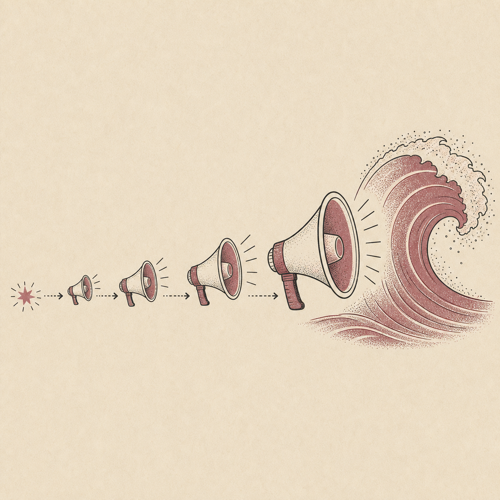
The idea: Stanley Cohen showed how media can amplify a perceived threat — typically embodied by a group of "folk devils" (mods and rockers, gamers, teens on social media) — far beyond its actual scale. Exaggerated coverage drives public fear, which drives political reaction, which validates more coverage: a spiral.
In an essay: Use the full mechanism: identify the folk devil, the exaggeration, the amplification spiral, and the disproportionate response. The sophisticated move is evaluating whether a case is genuinely a moral panic or a real problem receiving overdue attention — current debates about young people and social media can be argued either way, and weighing that is Scholarship-level evaluation.
Example: Recurring panics over youth media: video game violence in the 2000s, "screen addiction" in the 2010s, social media and teen mental health now. Which elements repeat? What does the repetition itself tell us?
Don't: use "moral panic" to dismiss any concern you disagree with. Cohen's theory describes a specific media-driven spiral — demonstrate the spiral, or choose another tool.
Using theory like a Scholarship candidate
- Theory follows example, not the reverse. Reach for a theorist when your example raises a problem the theory can solve.
- Test, don't worship. The strongest essays note where a theory fits imperfectly: "Adorno explains the franchise economy, but not fan creativity within it."
- Pair rivals. Gauntlett vs cultivation; Jenkins vs Adorno; Hall vs effects models. Setting theories against each other generates evaluation automatically.
- Update deliberately. Most of these theories predate platforms. Showing how a theory mutates in the algorithmic era (advertising filter → engagement filter; male gaze → algorithm's gaze) is original thinking on a plate.
Revise these actively: test your recall with the Theory flashcards, watch the trickier models move in the Visual Explainers, and see how each theory connects to the concepts in the Concept Map.
Portraits are used under free licences from Wikimedia Commons — full attributions in Image credits.